It is perplexing that many girls around the world don’t have access to menstrual products, toilets, water facilities or even a private space to change during menstruation. Aong with all these barriers the most significant one is lack of awareness about Menstrual health and hygiene. Taboo and stigma existing in our society makes it even more difficult to openly talk and discuss about it. Silence then leads to health issues both, physical and emotional.
For the overall wellbeing of women, it’s extremely vital to break these barriers and educate everyone about menstruation. This begins at schools and in families where the foundation of their future is laid.
Menstrual health and hygiene
Role of school administration:
Menstrual products –
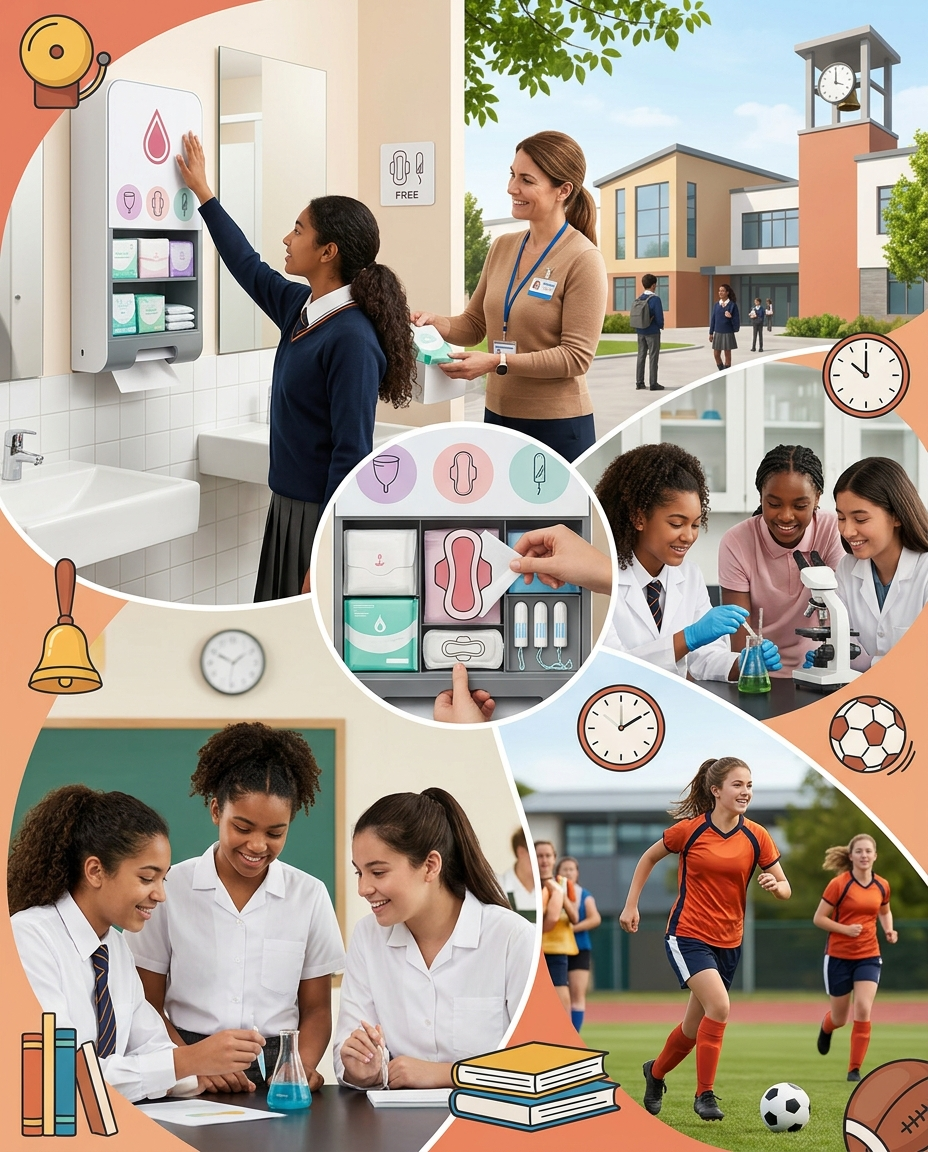
Ensure that girls have access to menstrual products whenever needed. At times they might get periods at school. If they don’t have access to menstrual products they might have to rush home. If the flow is heavy, they might need more sanitary napkins or tampons, or they simply miss school. These menstrual products should be free of cost especially in schools where the children are economically underprivileged.
Awareness –
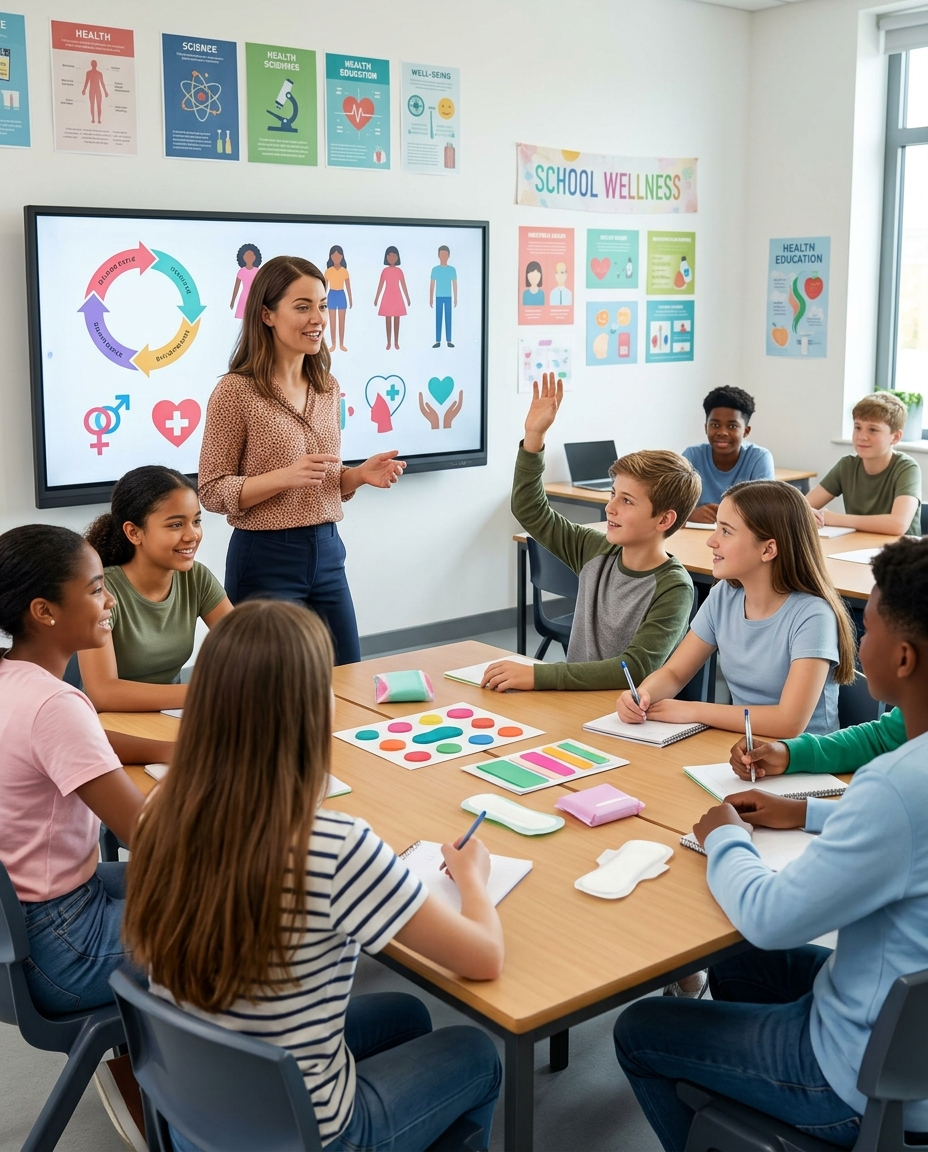
Speak about menstruation to boys and girls. Bust their myths and do away with the stigma attached to it. Answer their queries about and educate them about this natural biological phenomenon.
Show them videos and share knowledge about menstruation and hygiene. They should not feel any inhibitions while they talk about menstruation.
Clean toilets and private space –
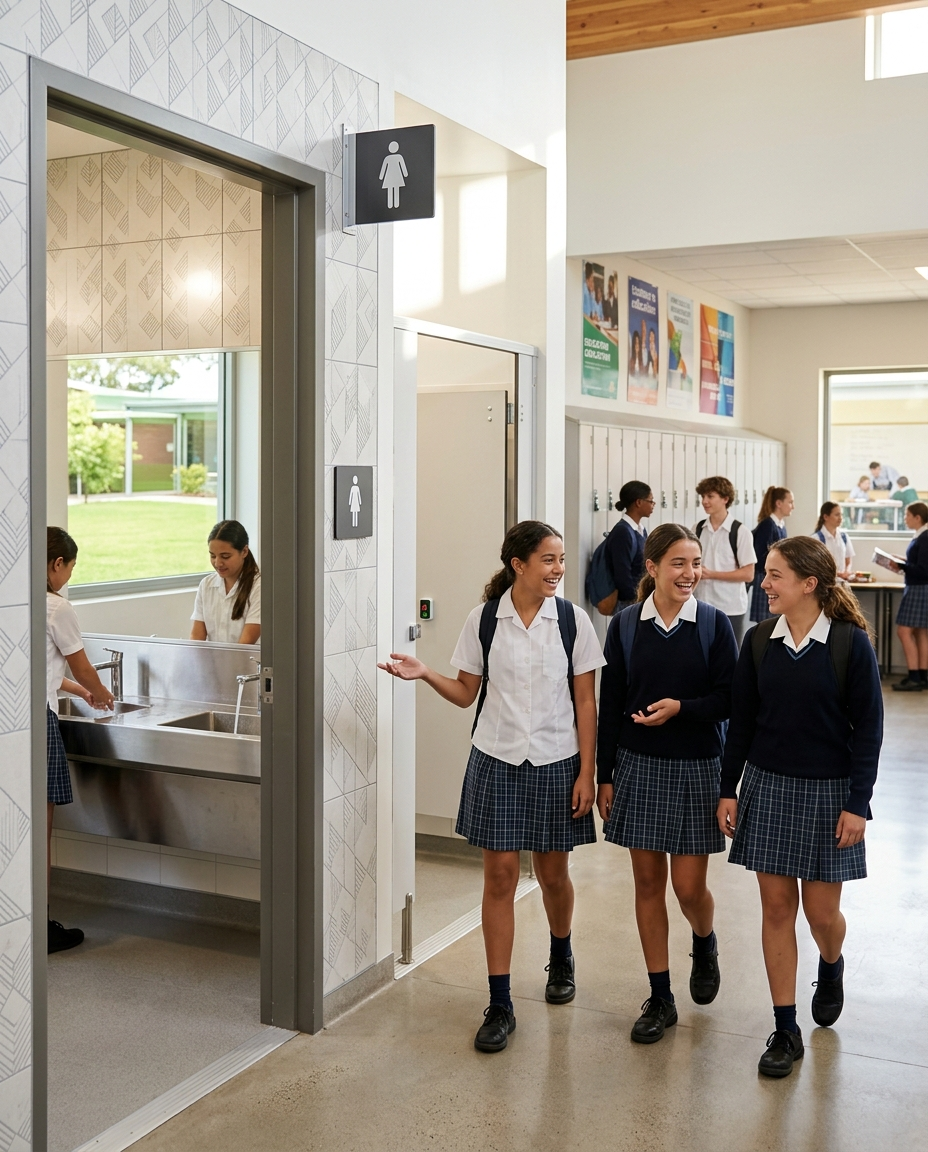
Ensure that the toilets have enough water supply and they are clean. Regularly clean the toilets because many girls miss school during periods, because the toilets are unhygienic. Also, some schools don’t have a proper private space to change during periods. This discourages girls from attending school. Girls often drop out of school due to these issues. This impacts their future prospects to work.
Help from NGOs and government –
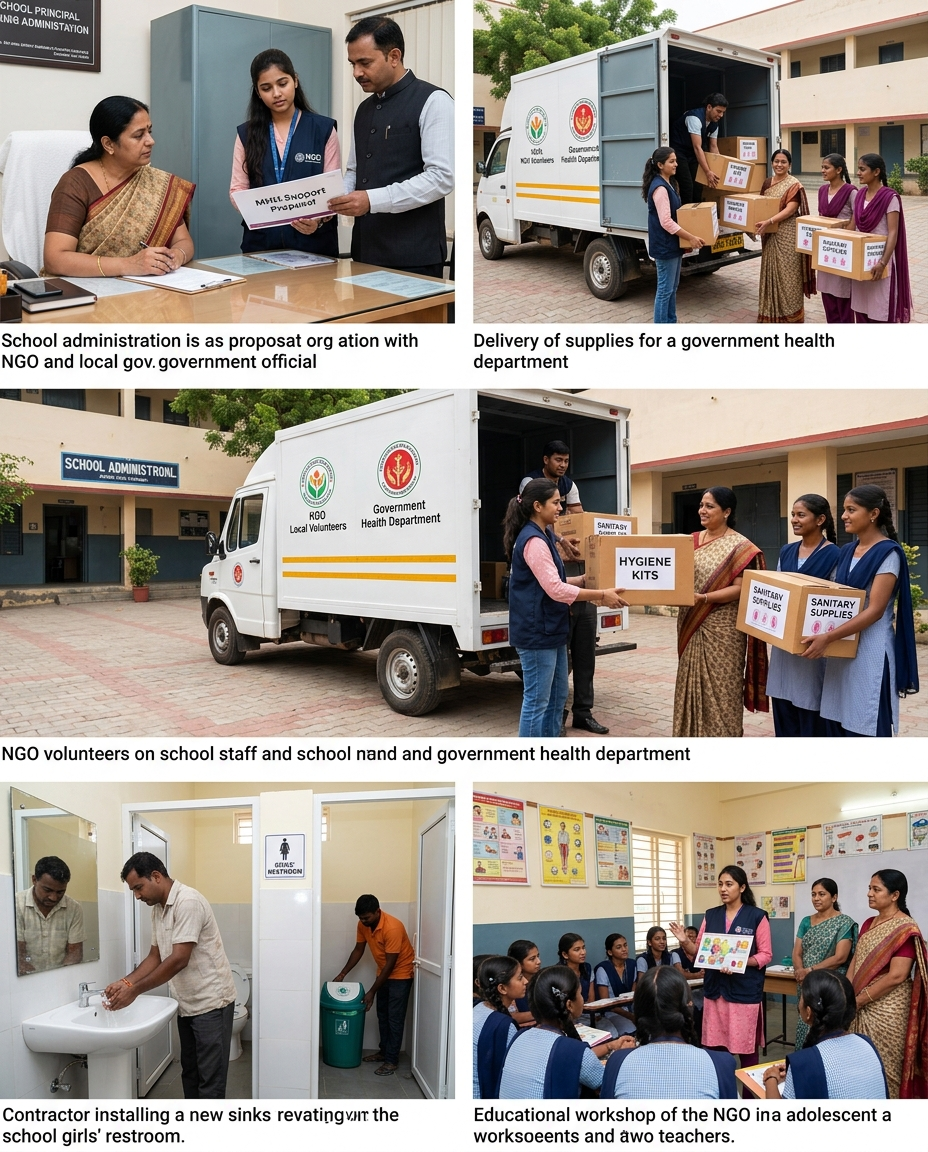
School administration can raise funds and support from government organizations and NGOs. If the school is short of funds, NGOs and government can extend help. The school administration can proactively search for such sources and provide all the necessary facilities.
These organizations can also educate school teachers, administration staff and students about menstruation and hygiene.
Role of School teachers –
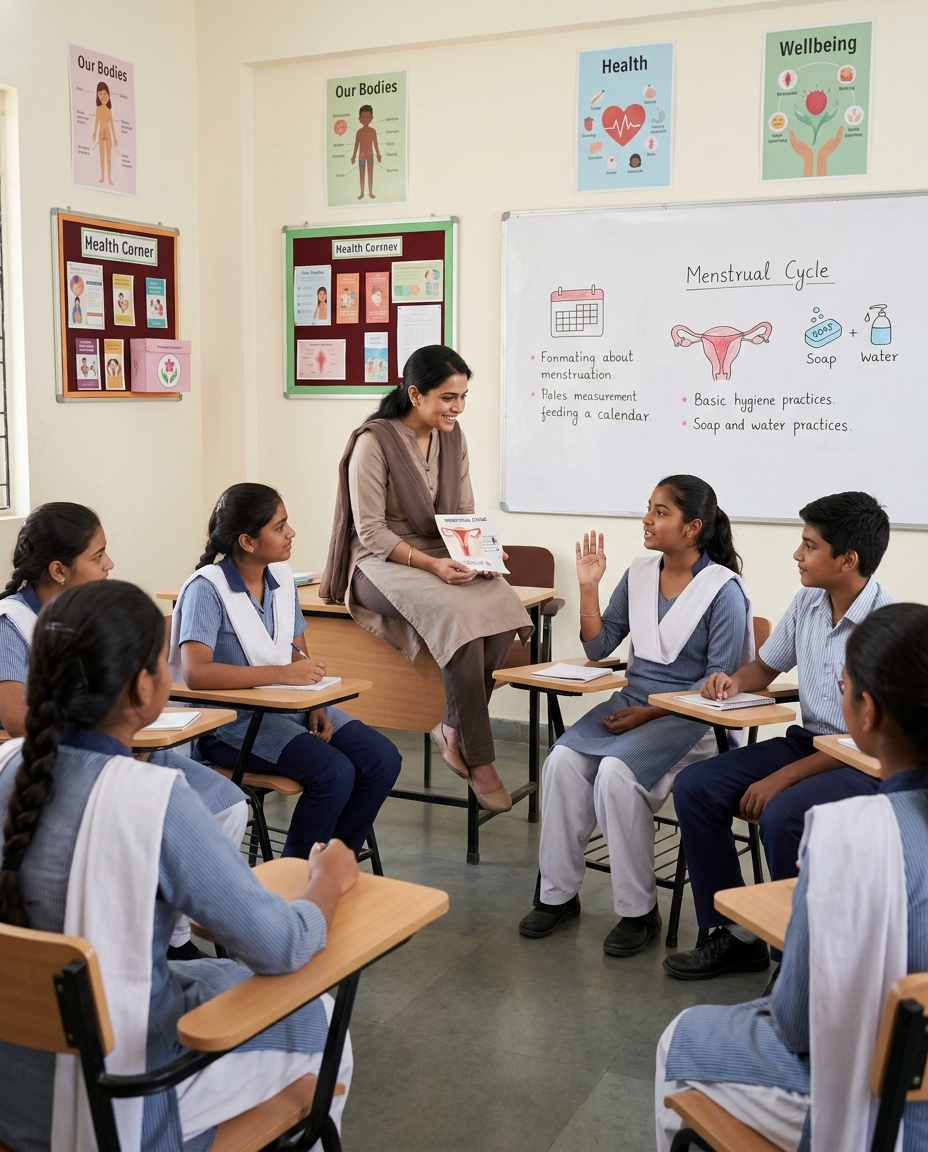
The most important role in this entire gamut of challenges is that of the school teachers. They are the point of contact for students, who find it comfortable to talk to them. School teachers should be able to develop a connect with students, and educate them about menstruation and hygiene.
The taboo and stigma attached to menstruation should be done away with. Teachers can openly talk about menstruation and hygiene in the class and find out the challenges faced by girls during periods. Even if boys wish to speak about menses; it’s biological and emotional aspects they should be encouraged. This creates an environment fertile to learn, and face facts.
Role of students
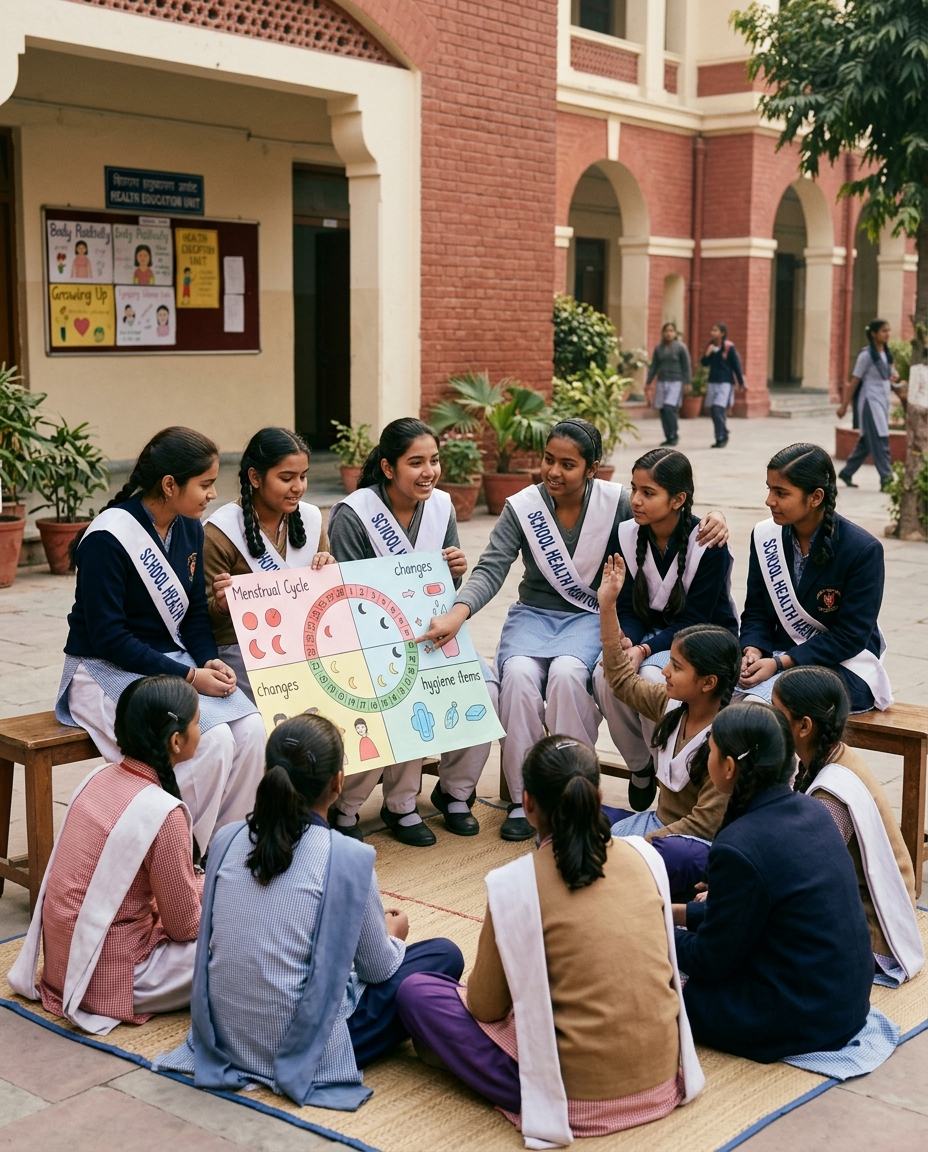
A team of senior students can educate their juniors. Children can reach out to their seniors if they face any issue during their menstrual cycle. Boys also have queries and are curious to know about menstruation but since it’s a taboo subject their queries don’t get resolved. This leads to myths about periods / menses that often never get busted. Senior students can be trained to communicate with juniors and educate them.
Role of parents –
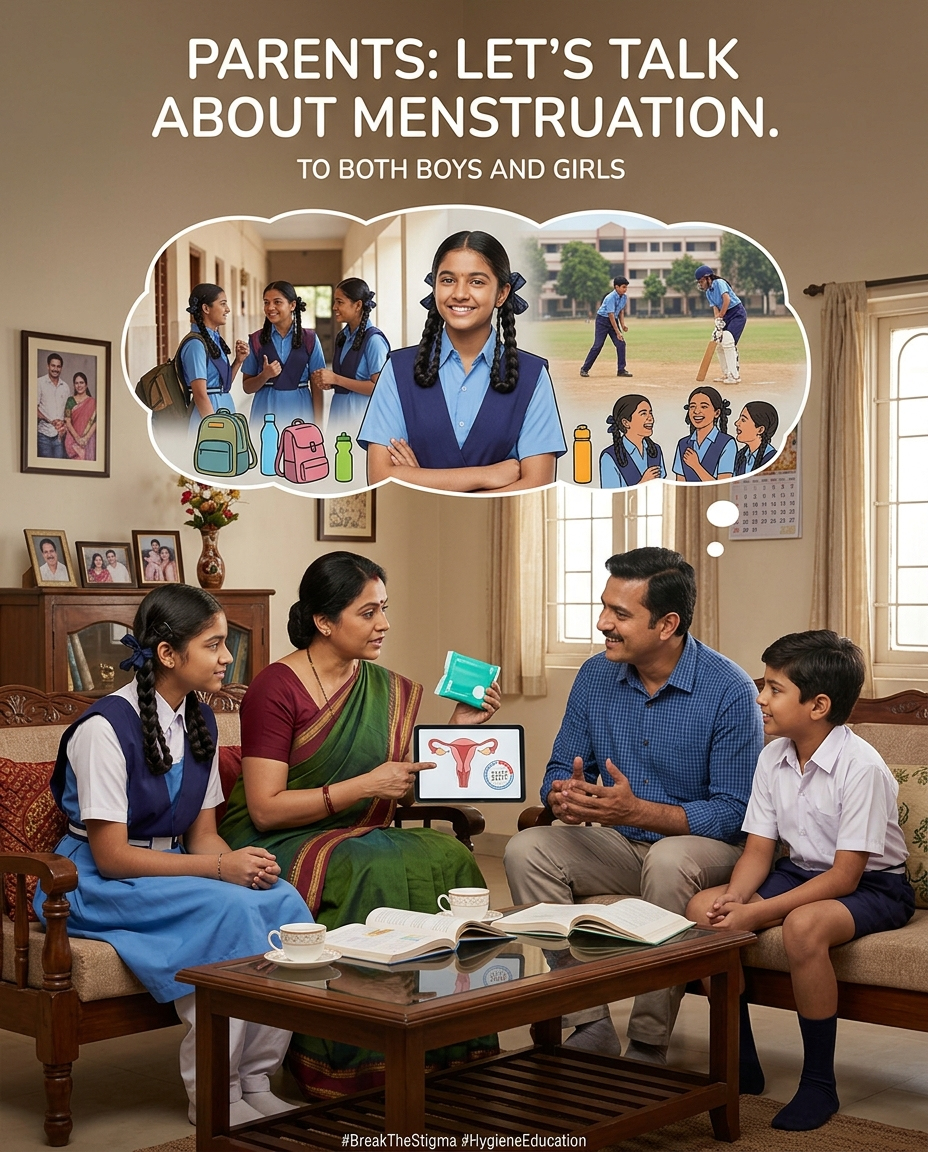
Parents should speak to their children both boys and girls about various challenges faced by girls during periods. This creates a conducive environment to ask queries and get them resolved. Menstruation will no longer be a taboo subject nor will it be stigmatized. The onus doesn’t only lie on the school, but parents should also be aware and should never hesitate to speak about Menstrual health and hygiene to their children.
In such a potent scenario Naree Care https://nareecare.com/ is focused at providing sanitary pad vending machines, and disposable bins. We are committed to menstrual hygiene and empowering women to focus on education. You can get in touch with our team to know more.
Read Similar Article:
Sustainable ways of disposing menstrual products.
Eco-friendly management of sanitary waste